How to choose an above-counter basin: a practical guide
Choosing an above-counter (vessel) basin? Size, shape, finish, tap and vanity height explained in plain English, with tips for Australian bathrooms.
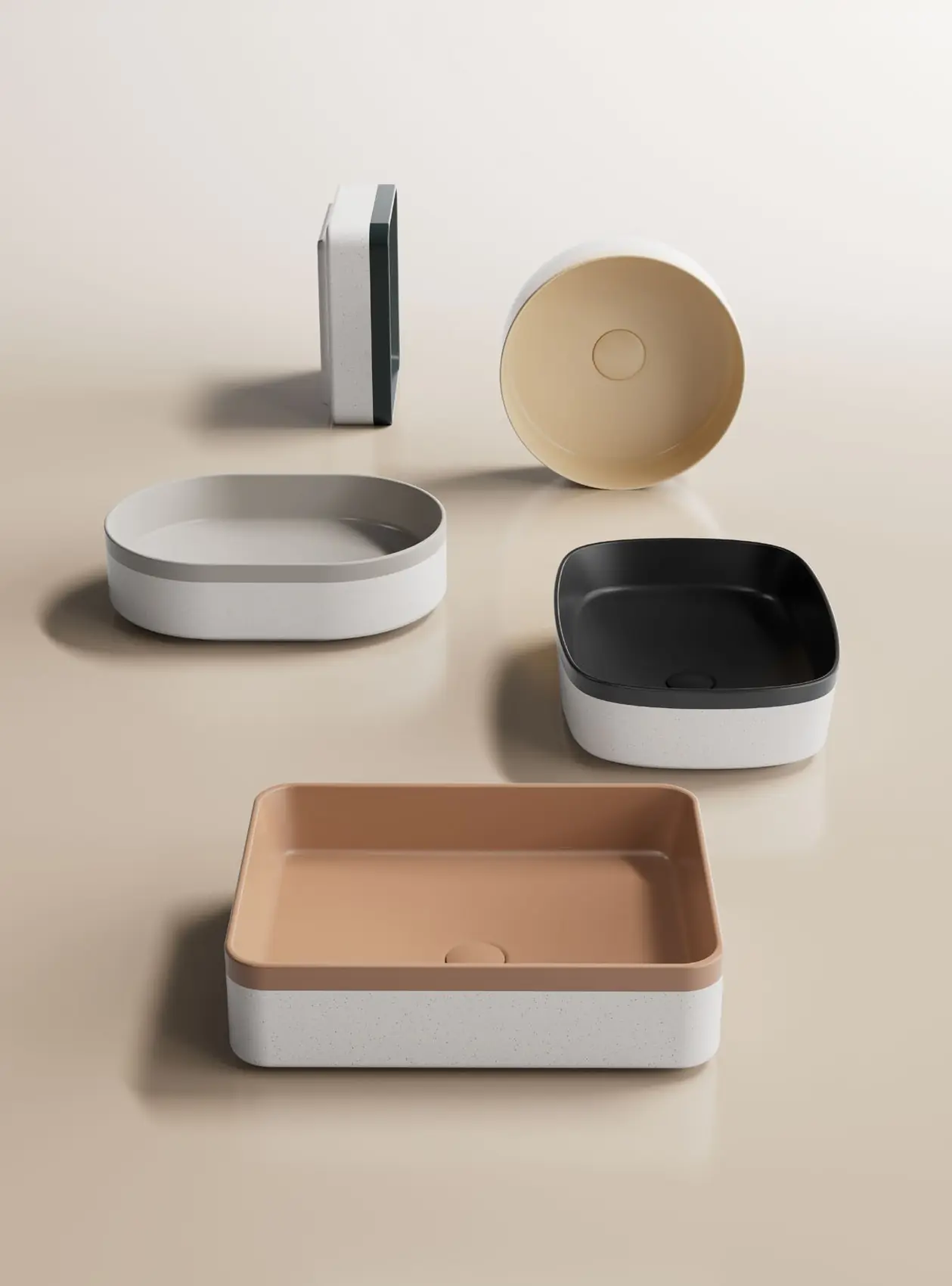
An above-counter basin, also called a vessel basin, sits on top of the benchtop instead of being set into it. It turns the basin into the centrepiece of the vanity and makes a bathroom look finished with very little effort. It also changes a few things about how you plan the vanity and the tap. Here is what to think about, in the order we suggest you decide it.
1. Start with the benchtop, not the basin
Measure the width and depth of the benchtop you have, or plan to have. The basin has to fit with room to spare: as a rule of thumb, leave about a hand's width of bench on each side for soap, a toothbrush cup and somewhere to put things down. Then check the depth. Many vanity tops are around 450–460 mm deep, so a deep basin may leave no room for a deck-mounted mixer behind it. In that case a wall mixer and spout is often the better answer.
Our basin size guide matches basin sizes to the common 600, 750, 900 and 1200 mm vanities.
2. Pick a shape for the room
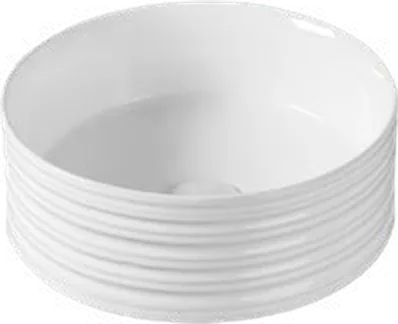
- Round basins (about 360–415 mm) suit compact vanities, ensuites and powder rooms. They read soft and are easy to clean.
- Ovals and capsules (about 500–600 mm) give more splash room and suit a longer vanity or a main bathroom.
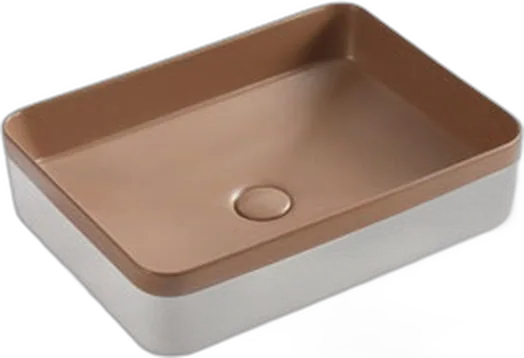
- Rectangles and squares look architectural and pair well with square-edged tapware and large-format tiles.
3. Choose the finish you can live with
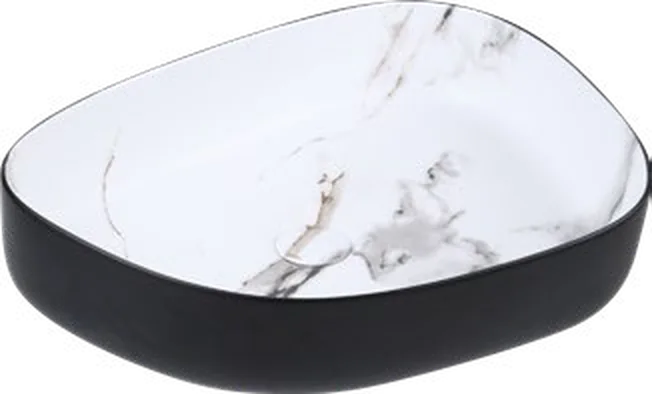
Gloss white is the easiest to keep clean and never dates. Matt finishes look calm and modern but show water marks sooner, so they suit people happy to wipe the basin down. Marble-look and two-tone glazes add colour without the upkeep of real stone, and metallic finishes make a statement in a powder room. Our care guide covers what each finish needs.
4. Plan the tap and the height together
Because the basin sits on the bench, the rim ends up higher than an inset basin. Many people lower the vanity slightly so the rim lands at a comfortable height for the household. The tap then needs to clear the rim and land the water near the waste, not on the side of the bowl. We explain the options in choosing a tap for a vessel basin.
5. Check the waste and the paperwork
Above-counter basins usually use a pop-up waste. In Australia, plumbing products need WaterMark certification and installation by a licensed plumber. Every TOSSO basin comes with a WaterMark pop-up waste in the same colour as the basin, so the whole look matches.
The short version
Measure the bench, choose the shape for the room, pick a finish that suits how you live, and decide the tap and height at the same time. Then come and see the basins in person: finishes always look different in daylight than on a screen.